
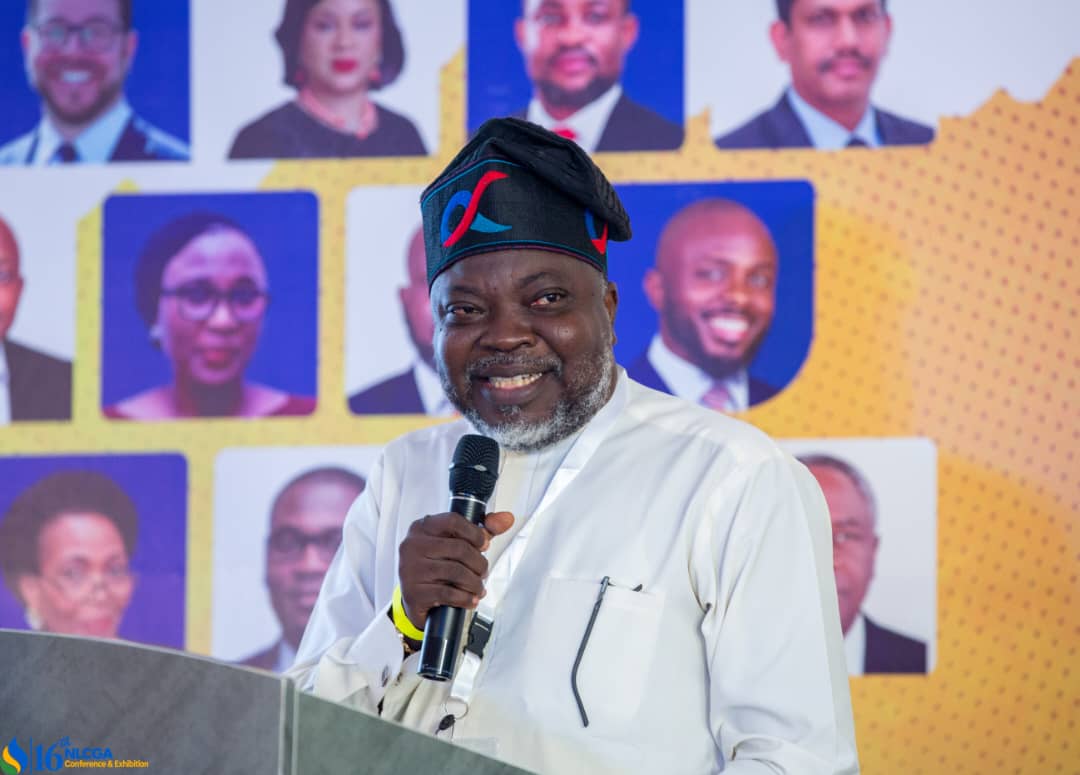
GOODWILL MESSAGE BY THE EXECUTIVE SECRETARY, ASSOCIATION OF LOCAL DISTRIBUTORS OF GAS (ALDG). Delivered at the 16th Edition of the NLCGA Conference
Topic: “Gas Infrastructure – Key to Supply Efficiency and Pricing Stability”
November 5, 2026 | Abuja, Nigeria
[Protocols Observed]
Good morning, distinguished guests, regulators, industry colleagues, and investors.
I bring you warm greetings from our Chairman, Mr Olakunle Williams (President/CEO of Tetracore Energy Group), and the entire Governing Board of the Association of Local Distributors of Gas (ALDG), where I am privileged to serve as the Executive Secretary.
I want to extend my heartfelt congratulations to my dear friend and brother, Mr Ladi Falola, President and Chairman of the Governing Council of the Nigeria Liquefied and Compressed Gases Association (NLCGA), for sustaining this highly impactful tradition. At ALDG, we are immensely proud to stand alongside the NLCGA as a strategic collaborator in our shared mission to expand and deepen the gas business in Nigeria.
The theme of this year’s conference—”Gas Infrastructure: Key to Supply Efficiency and Pricing Stability”—could not be more timely or vital. This distinguished gathering of government officials, regulators, operators, financiers, and development institutions represents exactly the kind of cross-sector powerhouse required to accelerate Nigeria’s gas-led industrialisation.
For the member companies of the ALDG, our primary business is the deployment of the critical midstream and downstream infrastructure required to safely deliver gas to consumers. We unlock value by turning our nation’s abundant natural resources into active, usable energy for homes, vehicles, and the commercial enterprises that drive our economy. Therefore, we wholeheartedly echo the NLCGA’s premise: robust infrastructure is the absolute bedrock of supply efficiency and price stability.
To unlock the domestic market, we must collectively champion increased investments in distribution networks, scale up LPG and CNG penetration, and promote true market liberalisation anchored on bankable commercial frameworks. This alignment directly mirrors the focus of our own ALDG Business Forum 2026, themed “From Gas Abundance to Gas Access: Reassessing Nigeria’s Gas Distribution Imperatives,” where we confronted the critical questions of how to transition from resource wealth to reliable, widespread energy access.
ALDG remains deeply committed to policy advocacy and industry collaborative efforts. We have consistently provided targeted stakeholder inputs to the NMDPRA, notably on the Draft Regulations for the Prevention of Anti-Competitive Practices and during the Gas Market Maturity Workshops.
While we commend the recent improvements to the sector’s fiscal regimes, we believe further targeted adjustments are needed to accelerate growth. During this conference, we actively seek allies and collaborators to help push forward two critical regulatory dialogues:
1. Reclassification of Fiscal Thresholds: Under the Economic Development Incentive Schedule of the Nigeria Tax Act 2025, the current N100 billion threshold for gas transmission, distribution, and supply businesses is disproportionately high, especially when compared to Coal at N10 billion. Lowering this threshold is essential to incentivize medium and small-scale investors, thereby providing affordable gas access and a diversified energy transition.
2. Customs Levy Waivers: We urge the industry to advocate for a temporary waiver or suspension of Section 18(1)a of the Nigeria Customs Service Act 2023, which imposes a 4% FOB cargo value customs levy on midstream and downstream related activities. Aligning this with existing Import Duty and VAT exemptions on select items will immediately relieve pressure on project economics.
We have already witnessed the profound impact of structured infrastructure development through the success of the NLNG framework, where deliberate alignment between producers and end-users established a world-class system in gas transportation infrastructure. By replicating this end-to-end value chain alignment in our domestic market, we can dramatically scale up infrastructure, curtail routine gas flaring, and commercialise the massive volume of gas – roughly 30% of current production – that is currently being re-injected/ classified as own use. Doing so is our fastest route to absolute supply efficiency and sustainable pricing.
I am confident that the deliberations over the course of this conference will thoroughly dissect these challenges and deliver a clear, measurable roadmap for execution.
Thank you for this opportunity, and I wish us all highly productive sessions.
John Kadiri
Executive Secretary, ALDG